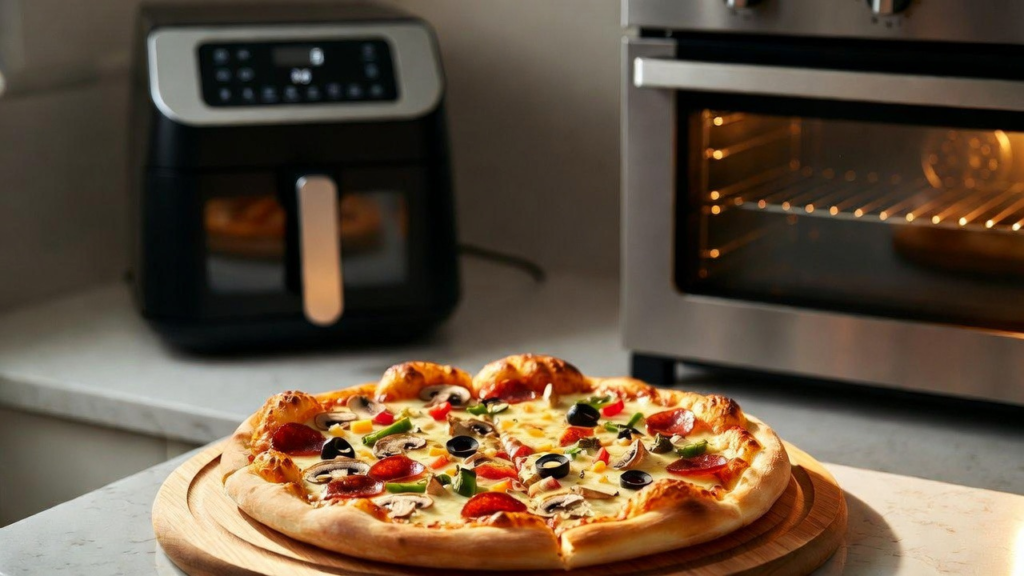
When it comes to making pizza at home, many of us face the same question: should I use an air fryer or a traditional oven? Both appliances promise crispy crusts, gooey cheese, and perfectly cooked toppings—but which one truly delivers the best results? The choice often depends on convenience, cooking time, energy efficiency, and the type of pizza you love.
If you’re a pizza enthusiast looking to get restaurant-quality results at home, understanding the differences between an air fryer and an oven can save you time, money, and frustration. In this article, we’ll break down the pros and cons of each method, share practical cooking tips, and help you decide which appliance is right for your kitchen and lifestyle. Whether you’re making a frozen pizza, a homemade dough, or reheating leftovers, these insights will ensure your next pizza is nothing short of perfection.
How Air Fryers Cook Pizza
Air fryers use rapid hot air circulation to cook food quickly and evenly. This makes them surprisingly effective for pizza, even if they’re often thought of as just for fries or wings. Here’s how air fryers stand out when it comes to pizza:
- Crispy crust in minutes: The circulating hot air crisps the edges while keeping the center soft.
- Even melting of cheese: Because the heat surrounds the pizza, toppings melt uniformly without overcooking.
- Smaller portions, faster cooking: Ideal for single or personal-sized pizzas.
However, air fryers usually have a smaller cooking area compared to a traditional oven, which can limit the size of the pizza you make. For tips on using an air fryer specifically for pizza, check out our guide on Air fryer for pizza.
How Ovens Cook Pizza
Traditional ovens use radiant heat from the top, bottom, or both to cook food. They’re versatile, handle larger pizzas, and are a staple in most kitchens. Here’s why ovens are often chosen for pizza:
- Larger cooking surface: You can cook family-sized or multiple pizzas at once.
- Customizable heat settings: Top, bottom, or both—perfect for achieving your preferred crust texture.
- Better for thick crusts or deep-dish pizzas: The slow, even cooking ensures the dough cooks through without burning toppings.
Ovens take longer than air fryers to heat up, but they offer more flexibility for larger meals. If you’re interested in energy use comparisons, our article on Air fryer electricity usage vs oven provides a detailed breakdown.
Air Fryer vs Oven: Key Differences for Pizza
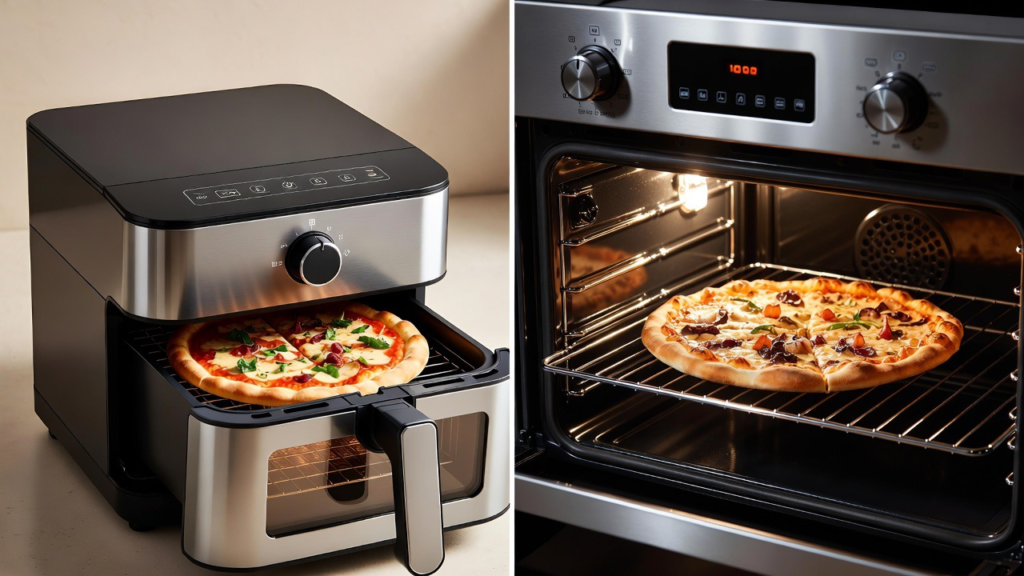
Let’s compare the two appliances across important factors to help you decide:
Cooking Time
- Air Fryer: Usually 8–12 minutes for a personal pizza.
- Oven: Around 12–20 minutes depending on the size and temperature.
Crust Texture
- Air Fryer: Crispy on the edges, soft in the middle—best for thin crust.
- Oven: Can handle thick or thin crusts equally well, especially with preheated pizza stones.
Capacity
- Air Fryer: Limited space; best for one pizza at a time.
- Oven: Can cook multiple pizzas or larger pies simultaneously.
Convenience
- Air Fryer: Quick preheat, minimal cleanup.
- Oven: Requires preheating and more cleanup, but ideal for larger meals.
Wondering whether your air fryer really beats the oven for pizza? Our step-by-step guide shows how frozen pizzas come out faster, crispier, and more evenly cooked in an air fryer.
It’s also important to understand that air fryers themselves come in two different layouts, which directly affect how well they handle pizza and flat foods. This detailed comparison of basket vs oven style air fryers explains which design works best for pizza, capacity, and overall cooking versatility.
Practical Tips for Making Perfect Pizza in an Air Fryer
Even though air fryers are smaller, they can make incredible pizza when used correctly.
- Choose the right size: Stick to personal or small pizzas that fit comfortably in your air fryer basket.
- Preheat for best results: 3–5 minutes at 180–200°C ensures even cooking.
- Use parchment or perforated mats: Prevents sticking and improves airflow.
- Layer toppings strategically: Heavier toppings go in the middle; lighter ones on top to prevent burning.
- Check halfway through: Depending on thickness, you may need to rotate the pizza.
For more detailed timing and temperature guidance, see our article on Temperatures and times.
Practical Tips for Making Perfect Pizza in an Oven
Ovens offer more space but require a slightly different approach:
- Preheat thoroughly: At least 220–250°C for homemade dough or frozen pizza.
- Use a pizza stone or baking steel: Helps achieve a crispy bottom without overcooking toppings.
- Place pizza in the center: Promotes even cooking and browning.
- Monitor baking time: Check a few minutes before the suggested time to avoid burning.
- Rotate if needed: Some ovens have uneven heat distribution.
Flavor and Texture Differences
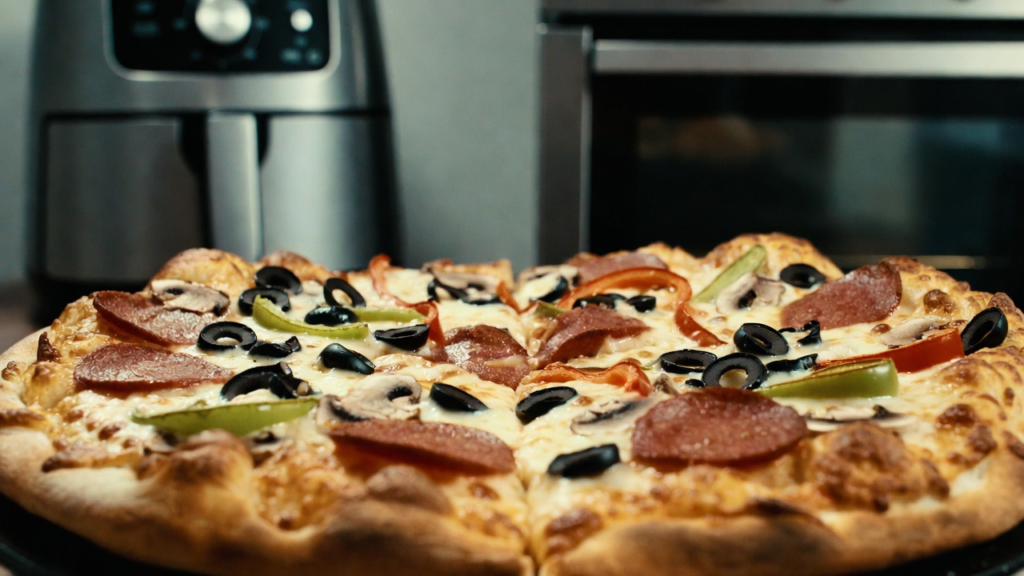
- Air Fryer Pizza: Crispier edges, slightly chewy center, ideal for thin-crust lovers.
- Oven Pizza: Evenly cooked, can handle thick or stuffed crusts, better for layered toppings.
Some pizza enthusiasts swear by the oven for authenticity, while busy cooks love the air fryer for its speed and ease. You can even experiment: start the pizza in an air fryer and finish it in the oven for a hybrid approach!
Energy Efficiency Considerations
If you’re concerned about electricity usage, air fryers are generally more efficient for small pizzas because they cook faster and require less preheating. Ovens, while slightly less efficient, are better suited for cooking multiple pizzas at once.
Which Appliance Should You Choose?
Here’s a quick decision guide:
- Choose an air fryer if:
- You cook single or small pizzas frequently.
- You want faster cooking and minimal cleanup.
- You prefer a slightly crispier, thinner crust.
- Choose an oven if:
- You cook large or multiple pizzas at once.
- You enjoy experimenting with thick crusts or gourmet toppings.
- You have a preheated pizza stone or baking steel for optimal results.
For more on appliance comparisons, check out our detailed review on Air fryer vs convection oven.
Bonus Tip: Best Air Fryers for Pizza
Not all air fryers are created equal when it comes to pizza. Look for models with:
- Adequate basket or tray size for personal pizzas.
- Adjustable temperature up to 200–220°C.
- Even hot air circulation for uniform cooking.
If you want models that consistently produce crispy crusts without overcooking toppings, this carefully tested roundup highlights the top performers specifically for pizza lovers..
Conclusion
Both air fryers and ovens can make delicious homemade pizza, but the right choice depends on your priorities. If you value speed, convenience, and small portions, an air fryer is a fantastic option. For larger pizzas, multiple servings, or thick crusts, a traditional oven offers the flexibility and even cooking you need. By understanding the strengths of each appliance, following practical cooking tips, and experimenting with temperatures and timing, you can enjoy perfectly cooked pizza at home every time. Whether you choose the crispy efficiency of an air fryer or the versatile power of an oven, your pizza nights will never be the same again!
Frequently Asked Questions (FAQ)
Can I cook a large pizza in an air fryer?
Most air fryers have limited space, so they’re best for personal or small pizzas. For larger pizzas, a traditional oven is usually a better choice.
Does pizza cook faster in an air fryer than in an oven?
Yes! Air fryers heat up quickly and cook pizza in about 8–12 minutes, compared to 12–20 minutes in a standard oven.
Which makes a crispier crust: air fryer or oven?
Air fryers tend to produce a crispier edge for thin crust pizzas, while ovens give more consistent results for thick or deep-dish crusts.
Can I use frozen pizza in an air fryer?
Absolutely! Frozen pizzas cook very well in an air fryer. Preheat the appliance, then cook for the recommended time, checking halfway to prevent burning.
Do I need to preheat an air fryer for pizza?
Yes, preheating for 3–5 minutes ensures the crust cooks evenly and toppings melt perfectly.
Is an air fryer more energy-efficient than an oven for pizza?
For single pizzas or small servings, air fryers are generally more energy-efficient due to shorter cooking times and less preheating. Ovens are more efficient for larger or multiple pizzas.