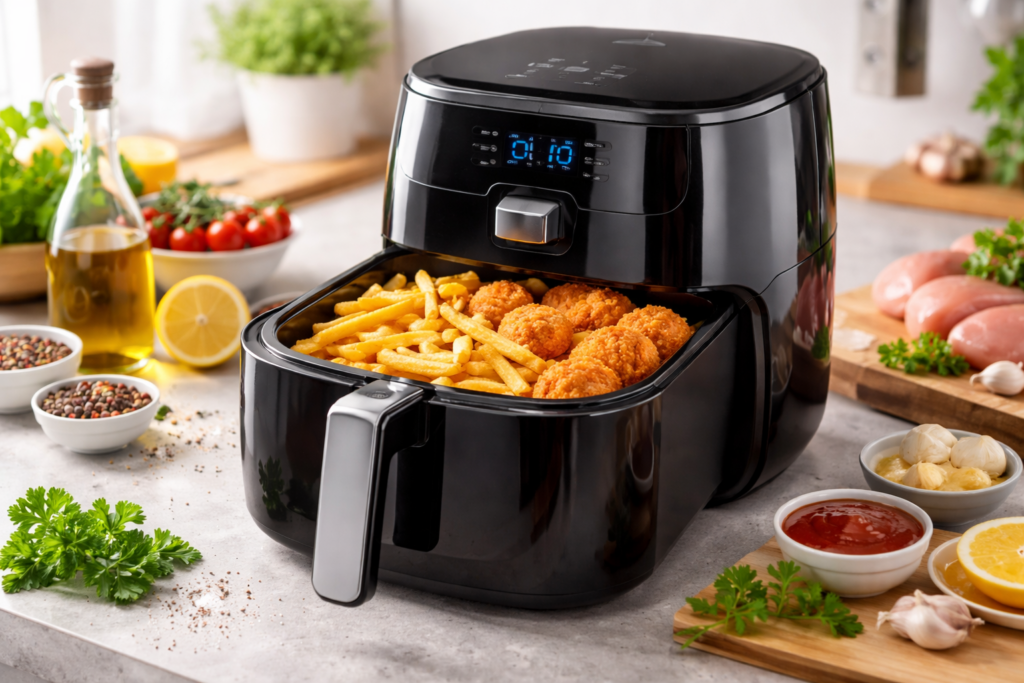
How to Use Your Air Fryer Without Fear or Mistakes
Air fryers are one of the easiest kitchen appliances to use — yet they’re also one of the most misunderstood. Many beginners love the idea of fast, crispy food, but worry about smoke, burning smells, overheating, or whether their air fryer is even safe to leave plugged in.
If that sounds familiar, you’re not alone. If you’re completely new, this beginner-friendly guide on getting started with your air fryer walks you through the basics step by step.
Most safety issues with air fryers don’t come from defects or danger — they come from simple beginner mistakes. Overfilling the basket, blocking airflow, using too much oil, or skipping cleaning can quickly turn a convenient appliance into a stressful one.
That’s why learning air fryer safety tips for beginners is so important. When you understand how your air fryer works and how to use it correctly, it becomes one of the safest appliances in your kitchen.
This guide breaks everything down step by step — practical advice to help you cook confidently, avoid common problems, and actually enjoy using your air fryer.
How Air Fryers Work (And Why Beginners Run Into Trouble)
An air fryer is essentially a compact convection oven. A heating element warms the air, and a powerful fan circulates that hot air around your food.
Because of this design:
- Air needs space to circulate
- Heat builds up very quickly
- Grease and crumbs matter more than you think
When airflow is blocked or grease accumulates, your air fryer reacts fast — sometimes with smoke, loud noises, or an automatic shutoff.
Rule #1: Never Block Airflow
This is the most important air fryer safety rule for beginners.
Airflow is commonly blocked by:
- Overfilling the basket
- Using aluminum foil incorrectly
- Placing parchment paper without holes
- Letting food touch the heating element
When airflow is restricted, heat builds up unevenly. This can lead to burnt food, smoke, or sudden shutdowns.
If your air fryer randomly stops during cooking, it’s usually because built-in safety systems detect overheating and shut the unit down to protect it. You can read a full explanation of why air fryers turn off unexpectedly and how their protection systems work to understand what’s happening.
Beginner tip: If food isn’t crisping, don’t add more time — reduce the amount of food.
Rule #2: Place Your Air Fryer Correctly
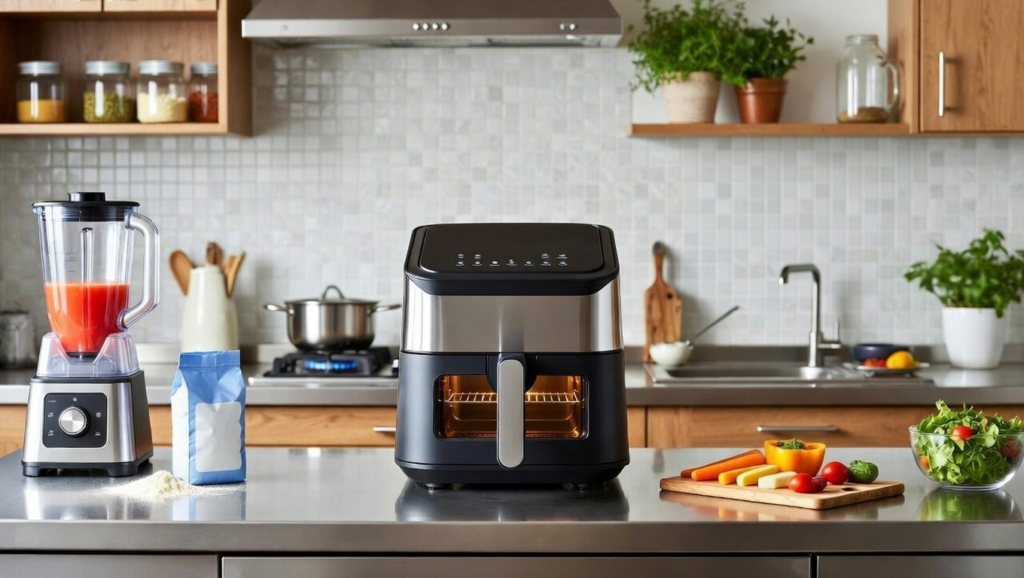
Air fryers release hot air through vents on the back or sides. Poor placement is an often-ignored safety issue.
Always:
- Place it on a flat, heat-resistant surface
- Keep at least 5 inches of clearance around it
- Avoid placing it directly under cabinets
- Never use it near sinks or water sources
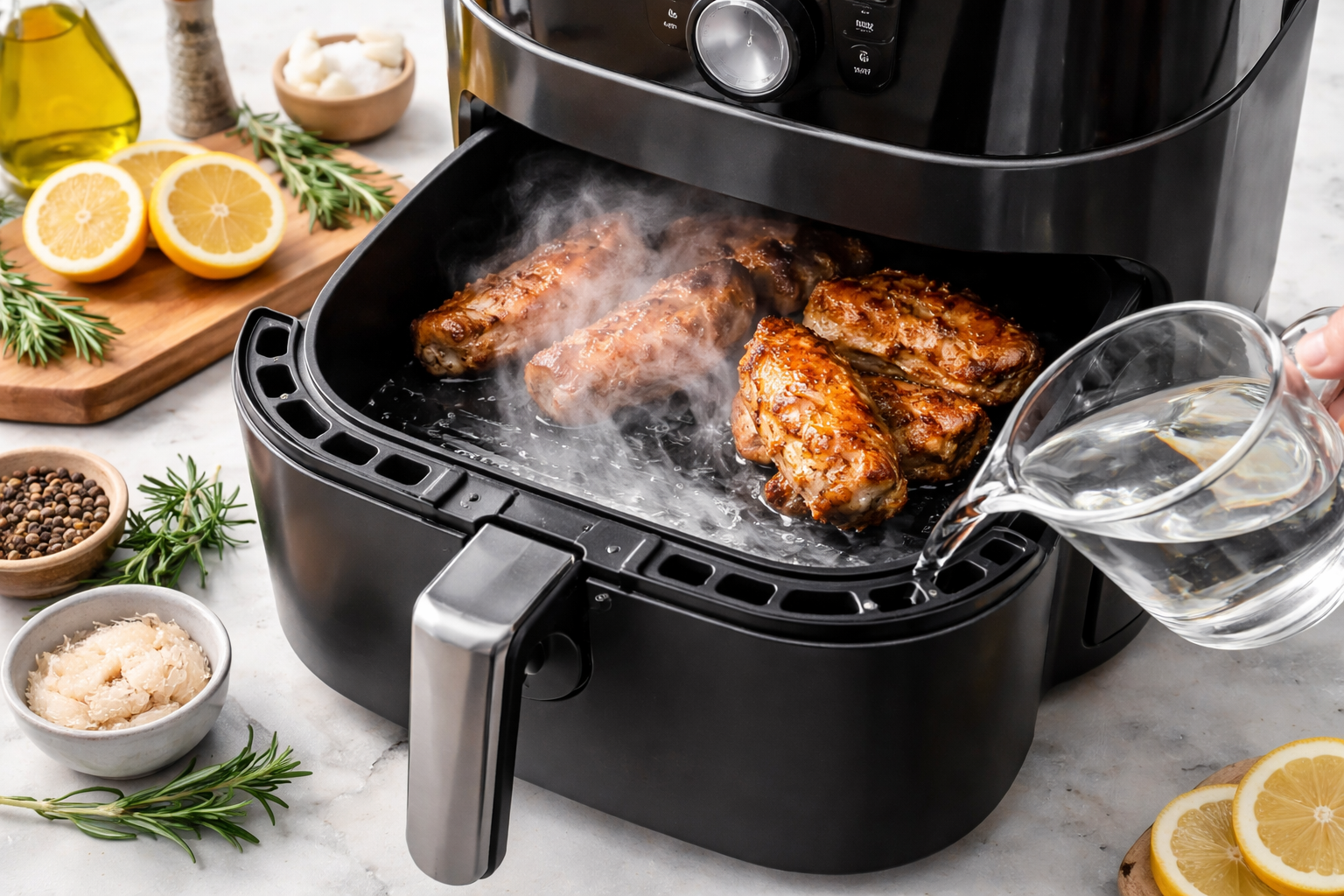
At the same time, some cooking situations involve small amounts of liquid inside the unit — so it’s important to understand when using water in an air fryer is safe and when it can become a risk.Using an air fryer on soft surfaces like towels or cutting boards can block ventilation and cause overheating.
Rule #3: Don’t Overuse Oil — Especially With Fatty Foods
Air fryers require very little oil. Adding too much is one of the fastest ways beginners experience smoke or burning smells.
Excess oil can:
- Drip onto the heating element
- Burn and create smoke
- Leave lingering odors
Fatty foods like bacon, sausages, and heavily marinated meats already release grease during cooking. Adding extra oil increases the risk.
Choosing oils with the right smoke point is just as important as using the correct amount. If you’re unsure which ones perform best at high temperatures, this guide on how to choose the right oil for air fryer cooking explains which options reduce smoke and improve crisping.
If you notice smoke, it’s often linked to grease buildup or dripping fat. This guide explains the most common reasons air fryers start smoking and how to fix them safely without panic.
Beginner tip: Use a light oil spray instead of pouring oil directly onto food.
Rule #4: Use Aluminum Foil With Caution
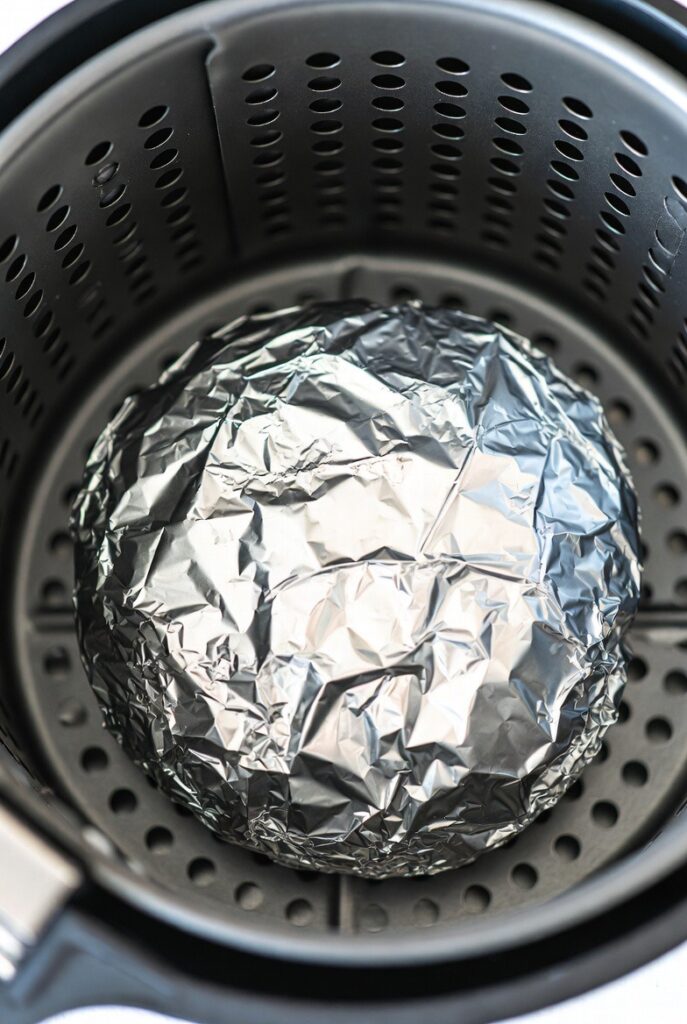
Many beginners ask whether aluminum foil is safe in an air fryer. The real issue isn’t the foil itself — it’s how it’s used.
Aluminum foil becomes unsafe when it:
- Covers the entire basket
- Blocks air holes
- Touches the heating element
- Is placed loosely and can move during cooking
Improper use can cause uneven cooking, smoke, or even fire hazards. If you’re unsure, this detailed breakdown explains when aluminum foil is safe in an air fryer and when it becomes dangerous due to blocked airflow.
Safer alternatives include:
- Perforated parchment paper
- Silicone air fryer liners
Rule #5: Keep Your Air Fryer Clean (This Affects Safety)
A dirty air fryer isn’t just unpleasant — it’s a real safety concern.
Built-up grease and crumbs can:
- Burn during cooking
- Produce smoke and strong odors
- Increase fire risk over time
Many beginners clean only the basket and forget about the interior or heating area. This buildup is often the hidden cause of smoking issues.
To stay safe:
- Wipe the basket after each use
- Deep-clean weekly if you cook often
- Check the top interior for grease
If you’re not sure how to do this properly, follow this step-by-step air fryer basket cleaning routine that beginners can easily follow.
Should Beginners Preheat an Air Fryer?
Preheating is one of the most confusing topics for new air fryer users.
You don’t always have to preheat, but it can help with:
- Better crisping
- More even cooking
- Shorter cook times
That said, preheating too long or with an empty basket can cause unnecessary heat buildup. Since models differ, it’s best to follow guidance based on how air fryers actually function. This article explains when preheating an air fryer is useful and when you can safely skip it.
Rule #6: Don’t Leave Your Air Fryer Unattended
Air fryers are safer than deep fryers, but they still reach high temperatures.
You should stay nearby when:
- Cooking greasy or marinated foods
- Using foil or accessories
- Trying a new recipe
If smoke, strange smells, or unusual noises appear, being present allows you to act immediately.
Rule #7: Use Only Heat-Safe Accessories
Just because something fits in your air fryer doesn’t mean it’s safe.
Avoid using:
- Plastic containers
- Paper towels
- Dishes not rated for high heat
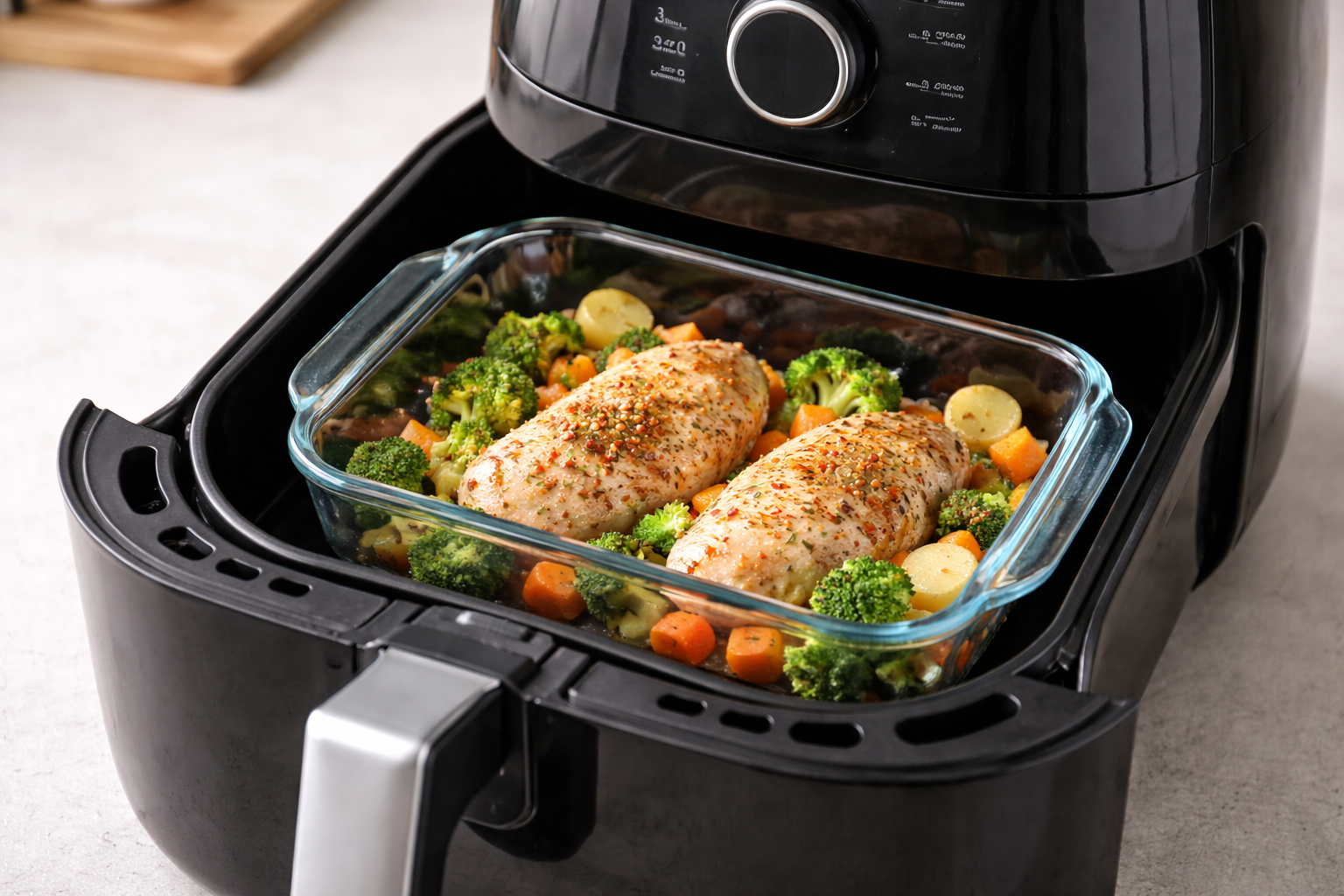
Many beginners also wonder whether glass bowls or baking dishes are safe to use inside an air fryer. Some types of glass cookware can handle the heat, while others may crack if temperatures change too quickly.
Always choose accessories labeled oven-safe or air-fryer-safe. When in doubt, it’s safer to cook without accessories. If you’re unsure which tools are actually safe, you can explore our complete guide to the best air fryer accessories for 2026, where we compare heat-safe liners, racks, silicone inserts, and cleaning tools designed specifically for proper airflow and safe cooking.
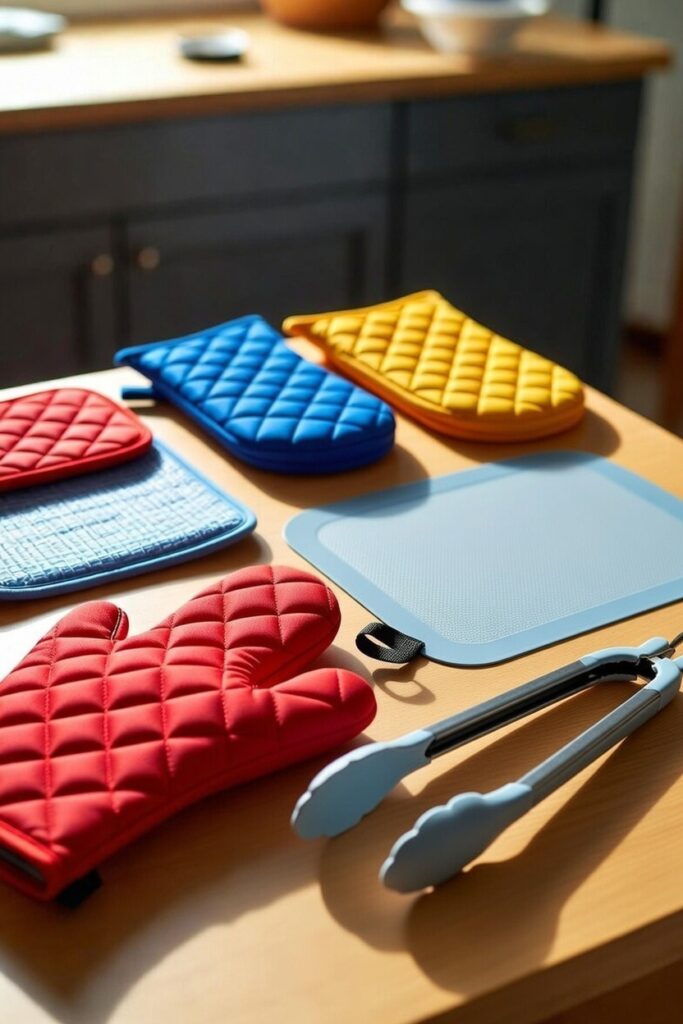
Why Built-In Safety Features Exist
Modern air fryers include:
- Automatic shutoff
- Overheating protection
- Basket detection sensors
These systems are designed to prevent damage or fire, not to frustrate you. When they activate, it’s usually due to airflow or heat issues that are easy to fix.
Understanding this makes troubleshooting far less stressful for beginners. Understanding these systems makes troubleshooting far less stressful. Many reliable, safety-focused models like the Philips 2000 series include automatic shut-off, overheating protection, and basket detection sensors to prevent accidents.
Do air fryers release harmful chemicals?
When used correctly, they do not. However, damaged non-stick coatings or extreme overheating can release fumes. Replace any basket with peeling coating.
If you’d like a deeper breakdown of common concerns like non-stick materials, overheating, plastic smells, and long-term health questions, read our full guide on Are air fryers toxic? It explains what’s myth, what’s fact, and how to use your appliance safely without unnecessary fear.
Frequently Asked Questions About Air Fryer Safety
Can an air fryer catch fire?
An air fryer can catch fire if used incorrectly. The most common causes are grease buildup, placing the fryer too close to walls or cabinets, using parchment paper incorrectly, or putting unsuitable foods (like very fatty meats without a drip tray). Regular cleaning greatly reduces fire risk.
Where should you place an air fryer?
Place your air fryer on a flat, stable, heat-resistant surface with at least 5 inches (12–15 cm) of space on all sides. Never place it under cabinets, near water, or next to flammable materials like towels or curtains.
Is it safe to leave an air fryer unattended?
It’s not recommended to leave an air fryer completely unattended, especially during long cook times. While many models have safety shut-offs, staying nearby allows you to react quickly if food smokes, burns, or the appliance overheats.
Can you use aluminum foil in an air fryer safely?
Yes, aluminum foil can be used safely in most air fryers if done correctly. Make sure it doesn’t block airflow, never cover the entire basket, and always weigh it down with food to prevent it from blowing into the heating element.
Are air fryers safe for plastic countertops?
Not always. Air fryers get very hot and can damage plastic or laminate countertops. Always use a heat-resistant mat, wooden board, or stone surface to prevent melting or discoloration.
Do air fryers release harmful chemicals?
Air fryers do not release harmful chemicals when used correctly. However, overheating non-stick coatings or using damaged baskets may release fumes. Always stop using the air fryer if the coating is peeling or damaged.
Conclusion: Simple Habits Make Air Fryers Safe and Stress-Free
Learning air fryer safety tips for beginners isn’t about being cautious — it’s about being prepared.
Most safety concerns come down to airflow, grease management, and proper placement. Once you understand these basics, you’ll avoid smoke, shutdowns, and cooking frustration almost entirely.
Build a few simple habits, pay attention during cooking, and keep your air fryer clean. With that foundation, your air fryer becomes one of the safest and most reliable tools in your kitchen — and one you’ll feel confident using every day.